
Struggling to avoid burnout as an interior design business owner? Burnout has quietly become one of the biggest threats to long-term success in the interior design industry. Many business owners achieve visible growth yet feel mentally drained, emotionally detached, and physically exhausted behind the scenes
This is not a personal failure; it is a structural problem rooted in how design businesses are built and scaled. Understanding interior design burnout, its causes, and how to prevent it is essential if you want business growth without burnout. This article explores the real meaning of burnout in business and how to build a sustainable, profitable design practice without sacrificing your wellbeing. Learning how to avoid burnout as a business owner in interior design is no longer optional; it is essential for long-term success.
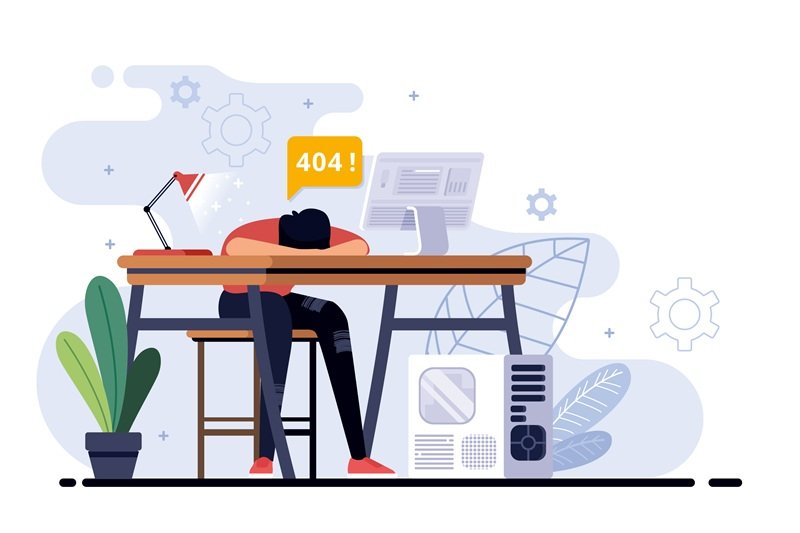
What Burnout Really Looks Like in Interior Design Businesses
Burnout in interior design businesses rarely looks like stopping work or losing ambition. More often, it hides behind packed calendars, constant client communication, and studios that appear “successful” from the outside. Many design professionals confuse burnout with temporary tiredness, assuming exhaustion is simply the cost of running a creative business.
Over time, this misunderstanding leads to business owner burnout, where productivity continues but joy, clarity, and creativity slowly disappear. Recognising these patterns early helps you avoid burnout as a business owner in interior design before it becomes chronic.
Why Interior Design Business Owners Burn Out Faster Than Other Entrepreneurs
Interior design business owners face a unique combination of emotional, creative, and operational pressures that most entrepreneurs never experience simultaneously. Beyond running a company, they manage constant client expectations, unpredictable project variables, and deeply personal creative output. These overlapping demands make burnout more intense, more frequent, and harder to recognise early. Understanding these pressures is critical if you want to avoid burnout as a business owner in interior design.
A. Emotional labor of managing clients, vendors, and teams
Interior design requires continuous emotional regulation, such as managing client expectations, resolving vendor delays, and supporting team morale simultaneously. Unlike many businesses, designers absorb stress from multiple directions while remaining calm, confident, and solution-focused.
This invisible emotional labor compounds daily, especially for those running an ArchDesign business, where personal taste and professional output are deeply intertwined. Over time, this constant emotional output accelerates burnout in ways many business owners underestimate. Without boundaries or recovery systems, emotional fatigue becomes chronic.
B. Pressure to be always “on,” responsive, and available
Interior design culture often rewards instant responsiveness and constant availability. Clients expect immediate replies, vendors demand quick decisions, and site issues rarely respect office hours. This creates a state of continuous alertness where the nervous system never fully switches off.
For an ArchDesignpreneur, this pressure blurs the line between working hours and personal time, making true rest difficult. The result is mental exhaustion that slowly erodes decision-making and confidence.
C. Revenue instability and feast-or-famine cycles
One of the biggest contributors to burnout meaning in business is financial unpredictability. Many design studios experience cycles of intense workload followed by slow periods, creating constant anxiety about cash flow.
During busy months, owners overwork to compensate for future uncertainty; during slow months, stress becomes personal and emotional. This instability is a major driver of business owner burnout and prevents consistent recovery. Sustainable revenue models are critical to avoiding business ownership burnout long term.
D. Lack of boundaries between personal identity and business identity
For many designers, their business is not just what they do, but it is who they are. Project success feels like personal validation, while setbacks feel like personal failure. This deep identity overlap makes criticism, slow growth, or lost clients emotionally devastating. When an ArchDesign business struggles, the owner often internalises it, increasing stress and self-doubt. This separation is a core requirement to avoid burnout as a business owner in interior design over the long term.
Early Warning Signs You Shouldn’t Ignore
Burnout rarely arrives suddenly; it builds gradually through subtle signals many business owners dismiss. These warning signs often appear long before physical exhaustion becomes obvious. Recognising them early allows you to take corrective action before deeper burnout recovery in business is required.
A. Losing excitement for projects you once loved
When even ideal projects feel dull or draining, it’s a sign your creative energy is depleted. This is not a loss of passion but a symptom of prolonged overextension. Designers often blame themselves, assuming they’ve “outgrown” the work. In reality, burnout has reduced emotional capacity. Without intervention, disengagement deepens and creativity suffers further.
B. Dreading client communication or site visits
Avoidance is a powerful indicator of burnout. If client emails trigger anxiety or site visits feel overwhelming, your stress response is likely overloaded. These reactions often stem from unresolved boundaries, scope creep, or excessive emotional labor. Over time, avoidance leads to delays, guilt, and strained client relationships. Addressing the root cause is key to learning how to handle business burnout.
C. Feeling trapped in your own business
Many business owners reach a point where success feels like a cage rather than freedom. The business depends entirely on them, making stepping back feel impossible. This sense of entrapment is common in interior designer burnout and signals structural issues, not personal weakness. Feeling stuck often precedes the desire to quit entirely. Strategic changes can restore autonomy without shutting down operations.
D. Overworking but feeling less effective
Burnout reduces cognitive clarity, making longer hours produce fewer results. Tasks take longer, decisions feel heavier, and mistakes increase. Many owners respond by working even more, worsening the cycle. This pattern is a hallmark of business owner burnout and signals diminishing returns on effort. Recovery requires redesigning how work flows, not pushing harder.
E. Normalising exhaustion as “just part of the industry”
When constant exhaustion becomes normalised, burnout becomes invisible. Designers often believe suffering is the price of success. This mindset delays recovery and perpetuates unhealthy business models. Over time, chronic stress impacts health, relationships, and long-term viability. Sustainable success requires rejecting exhaustion as an industry norm.
How to Avoid Burnout as an Interior Design Business Owner
To avoid burnout as a business owner in interior design, prevention must be built into how the business operates. Preventing burnout requires intentional business design, not just better time management. This section outlines practical, structural changes that support business growth without burnout.
Each strategy focuses on reducing cognitive load, emotional strain, and over-reliance on the owner. These are not quick fixes but sustainable shifts. Implemented gradually, they protect both creativity and profitability to avoid burnout as a business owner.
A. Redesign Your Role, Not Just Your Schedule
Burnout often persists even after reducing hours because the role itself remains draining. Many owners stay deeply involved in every detail, mistaking control for responsibility. Shifting from doing everything to leading intentionally allows energy to be spent where it creates the most value. Identifying tasks that drain versus energise you clarifies what to delegate first. Gradual delegation prevents overwhelm while building trust in support systems.
B. Build Business Systems That Reduce Mental Load
Systems reduce the number of decisions you make daily, protecting mental bandwidth. Standardised onboarding, communication templates, and revision processes create predictability for both clients and teams. Decision fatigue is a hidden burnout trigger that erodes creativity over time. Well-designed systems do not limit creativity; they protect it by removing unnecessary friction. This is essential for avoiding long-term business ownership burnout.
C. Set Client Boundaries That Protect Your Energy
Boundaries are not restrictions; they are frameworks for healthy collaboration. Clear communication expectations prevent constant interruptions and emotional strain. Addressing scope creep early avoids resentment and burnout later. Many owners fear boundaries will upset clients, but the opposite is true. Strong boundaries increase professionalism, client trust, and client confidence.
D. Separate Personal Worth from Business Performance
Slow months and project challenges often feel deeply personal to designers. Detaching self-worth from outcomes creates emotional resilience. Business results reflect systems, brand positioning, and market conditions, not personal value. Developing this separation allows clearer decision-making during stress. Emotional resilience is critical for learning how to avoid burnout as a business owner.
The Link Between Unsustainable Growth and Burnout
Growth is often seen as the solution to stress, but when it’s built on weak foundations, it becomes a major cause of burnout. Understanding how growth patterns contribute to exhaustion is key to building a business that can scale sustainably.
A. Scaling revenue without scaling support
When revenue increases but systems, team capacity, and processes remain the same, the business becomes dependent on the owner’s energy. This creates hidden pressure where success actually increases workload instead of reducing it. Over time, the owner becomes the bottleneck, leading directly to business owner burnout. Sustainable growth requires scaling support alongside income.
B. Saying yes to misaligned projects for cash flow
Taking on projects that don’t align with your strengths, values, or capacity often feels necessary during uncertain cash flow periods. However, these projects demand more emotional labor, more revisions, and more stress than they are worth. While they may solve short-term financial gaps, they increase long-term burnout risk. Consistently misaligned work erodes confidence and enjoyment.
C. Why growth without clarity creates chaos
Growth without clear positioning, processes, and priorities leads to reactive decision-making. Teams become confused, expectations shift constantly, and the owner is pulled in multiple directions. Instead of feeling expansive, growth feels chaotic and overwhelming. Clarity is what turns growth into stability rather than stress.
D. The myth that “once I grow more, I’ll rest later”
Many business owners believe rest is a reward that comes after reaching a certain revenue milestone. In reality, growth amplifies existing problems rather than resolving them. If rest is postponed now, it will be even harder to access later. Sustainable businesses are built with recovery built in, not deferred indefinitely.
Burnout Prevention is a Business Strategy, Not Self-Care
Burnout is rarely caused by a lack of rest alone, and it’s usually the result of how the business is structured. Preventing burnout requires strategic decisions that protect energy, clarity, and long-term capacity.
A. Why self-care alone doesn’t fix systemic burnout
Self-care helps regulate stress, but it cannot compensate for a business model that constantly overwhelms its owner. Taking breaks or vacations without addressing root causes often leads to quick relapse. Burnout is usually structural, not personal. Prevention requires changing how the business operates, not just how the owner recovers.
B. The role of pricing, positioning, and project selection
Underpricing and unclear positioning force owners to overwork to maintain profitability. Strategic pricing reduces pressure by allowing fewer, better-aligned projects. Clear positioning attracts ideal clients who respect expertise and boundaries. Together, these factors significantly reduce emotional and operational strain.
C. Designing a business that supports the designer, not the other way around
Many design businesses are built around client convenience rather than owner sustainability. Over time, this leads to resentment and exhaustion. A supportive business structure prioritises energy, clarity, and capacity alongside revenue. When the business supports the designer, creativity and growth become sustainable.
What to Do If You’re Already Feeling Burned Out
Burnout doesn’t mean your business is failing; it means something needs to change. With the right approach, recovery is possible without shutting everything down or starting over.
A. Pause without shutting down the business
Burnout recovery doesn’t require disappearing or abandoning your business. Strategic pauses, such as limiting new projects or extending timelines, create space to stabilise. This allows recovery without causing financial panic. Small pauses, taken intentionally, prevent deeper burnout later.
B. Identify what needs fixing vs. what needs rest
Not everything needs a break; some things need restructuring. Distinguishing between exhaustion and broken systems is critical. Rest alone won’t fix pricing issues, unclear boundaries, or overload. Addressing root causes alongside rest leads to lasting recovery.
C. Adjust workload, expectations, and timelines
Burnout often persists because expectations remain unrealistic. Reducing workload, renegotiating timelines, and simplifying deliverables ease pressure immediately. These adjustments improve quality and reduce stress without harming professionalism. Sustainable pacing restores confidence and clarity.
D. Seek strategic support instead of pushing harder
Pushing harder is a common response to burnout, but it usually worsens the problem. Strategic support, such as coaching, operations help, or business advisory, provides perspective and structure. External guidance helps identify blind spots quickly. Support accelerates recovery far more effectively than willpower alone.
Conclusion
Burnout is not a personal failure, but it is a signal that your business structure needs evolution. Interior design burnout thrives in businesses built on constant availability, emotional overextension, and unstable growth models.
Preventing burnout requires intentional systems, clear boundaries, and emotional resilience. If you want to scale an ArchDesign business sustainably, prioritising burnout prevention is not optional, but it is strategic. When you intentionally design your systems, boundaries, and growth strategy, you can truly avoid burnout as a business owner in interior design without sacrificing ambition.
Have you experienced burnout while trying to grow your business? Share your thoughts or biggest challenge in the comments and your experience might help someone else feel less alone. If you’re ready to create a business that grows without draining you, book a call and let’s explore how to design a sustainable path forward.

Shanker De is an ArchDesign Business Coach, entrepreneur, and Founder of ArchScale Guild. With 25+ years of experience across 330+ businesses in 15 countries, he helps the founders, principals and studio owners of growing ArchDesign firms, especially in Tier 2 & Tier 3 cities, turning inconsistent leads, silent sales and fluctuating revenue into predictable 2x–5x growth.
Using his proven ArchScale Business Growth Model (BGM), Shanker supports every ArchDesignpreneur in building a scalable ArchDesign business without founder burnout, underpricing, or constant overwhelm.