
Time management for interior designers is not about squeezing more into your day; it is about building a structure that protects your creativity, profitability, and peace of mind. In the fast-paced world of projects, clients, vendors, and site coordination, poor planning quickly turns into overwhelm.
When you master time management for interior designers, you stop reacting and start leading your calendar with intention. These interior design time mastery tips are essential if you want sustainable interior design business growth without burnout. For anyone building an ArchDesign business, structure is no longer optional, but it is a strategic advantage.
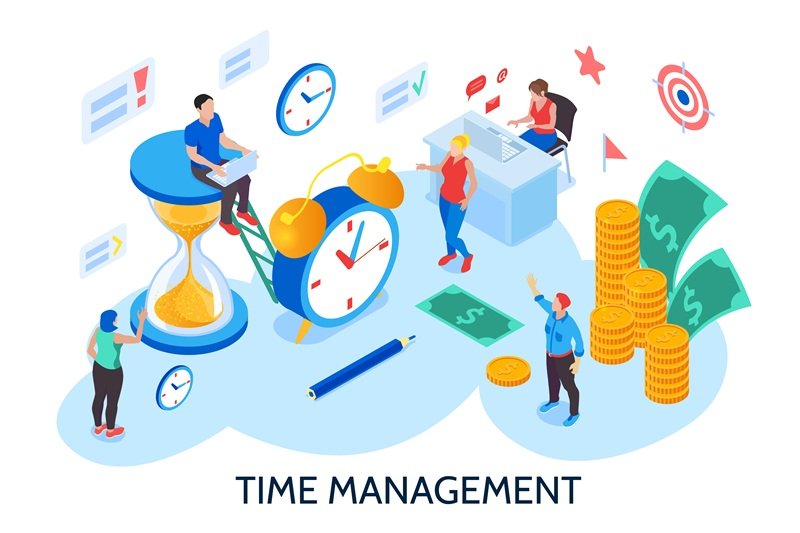
Why Time Management is Hard in Interior Design
Time management for interior designers feels difficult because the work itself is complex, fluid, and people-driven. Unlike predictable desk jobs, design involves creativity, coordination, and constant decision-making. The industry rarely teaches structured planning yet expects flawless execution. Without clarity, your days become reactive instead of strategic.
A. The Nature of Design Work
Design projects are rarely linear. Long, overlapping project timelines mean you might be installing one project while concept-planning another and revising a third. This layering makes time management for interior designers far more demanding than it appears.
Switching between creative and operational tasks drains mental energy. One hour you are visualising layouts; the next you are negotiating with vendors or updating budgets. That constant context switching reduces deep focus and slows output.
Site visits, sourcing trips, client calls, and revisions all compete for attention. Each feels urgent in the moment, but not all are equally important. Without structured planning, your day gets dictated by whoever calls the loudest.
For an ArchDesignpreneur, recognising this dynamic is the first step toward interior design time mastery tips that actually work. Structure is not rigidity, but it is protection for your creative bandwidth.
B. The Business Owner Reality
When you run an ArchDesign business, you wear multiple hats daily. Designer, project manager, accountant, marketer: all roles sit on your shoulders. This fragmentation makes time management for interior designers even more challenging.
There is often no external accountability when you are self-employed. Deadlines become flexible unless enforced, and admin tasks get postponed. Without systems, days slip into unplanned chaos.
Another hidden issue is underestimating how long design tasks actually take. Mood boards, drawings, and sourcing approvals almost always require more time than expected. Poor estimation compresses deadlines and increases stress.
This is why every ArchDesignpreneur must build discipline into their schedule. A confident ArchDesign business owner does not rely on motivation; they rely on structure.
The Foundation of Time Management for Interior Designers
Before adopting tools or apps, you must build a foundation. Time management for interior designers begins with awareness, planning, and capacity control. These interior design time mastery tips create long-term stability instead of short-term fixes.
A. Know Where Your Time Is Going
Time tracking is the first step toward mastery. Without data, you are guessing where your hours disappear. Tracking reveals patterns you cannot see emotionally.
Distinguishing billable vs non-billable hours is crucial for an ArchDesign business. Many designers spend excessive time on admin, revisions, or unpaid sourcing. Awareness helps you rebalance effort toward revenue-generating work.
Hidden time leaks often include unstructured WhatsApp communication, unnecessary meetings, or repeated minor revisions. These small interruptions accumulate into major productivity drains.
When an ArchDesignpreneur consistently tracks time, decision-making becomes objective. Time management for interior designers shifts from feeling overwhelmed to managing with clarity.
B. Plan by Project Phases
Breaking projects into defined stages reduces confusion. Concept development, design detailing, procurement, execution, and installation must each have boundaries. Without this clarity, deadlines blur.
Allocating time budgets to each phase prevents unrealistic compression later. Many designers overspend time in concept development and rush execution. Strategic allocation protects project quality.
Installation stage deadline compression is one of the biggest stress triggers. When earlier phases lack structure, installation becomes chaotic and reactive. Planning phase-wise protects both reputation and sanity.
For any ArchDesign business, phased planning is a core system. It transforms time management for interior designers into a predictable process rather than a constant emergency.
C. Set Realistic Capacity Limits
You cannot handle unlimited projects without compromising quality. One of the most powerful interior design time mastery tips is knowing your true capacity. Growth without limits leads to burnout.
Recognising workload saturation early allows proactive decisions. If revisions are piling up and evenings extend regularly, your system is overloaded. Ignoring signals damages both creativity and client experience.
Protecting creative energy is a strategic decision, not laziness. Design requires mental freshness and focus. Overcommitment reduces innovation and increases mistakes.
An ArchDesignpreneur who respects capacity builds sustainable interior design business growth. Time management for interior designers becomes a tool for longevity.
Daily & Weekly Time Management Systems
Once foundations are in place, daily and weekly systems bring discipline to execution. Time management for interior designers must move from theory to habit. Structured routines reduce decision fatigue and create momentum.
A. Time Blocking for Designers
Time blocking separates creative work from administrative tasks. Mixing both in the same hour reduces output quality. Dedicated focus windows protect deep work.
Themed workdays, such as sourcing day, site day, or meeting day, reduce constant switching. Grouping similar tasks improves efficiency and reduces mental strain.
Minimising distractions during deep work is essential. Silence notifications, set communication boundaries, and protect design hours fiercely. This single habit dramatically improves productivity.
For an ArchDesign business, time blocking ensures the calendar reflects priorities, not interruptions. It is one of the most effective interior design time mastery tips.
B. The 3-Task Priority Rule
Every day should begin with identifying three high-impact tasks. These are not minor errands but actions that move projects or revenue forward. Clarity eliminates overwhelm.
Endless reactive to-do lists create anxiety without results. When everything feels urgent, nothing gets completed meaningfully. Limiting focus increases completion rates.
Revenue-generating actions must be prioritised intentionally. Client presentations, proposal submissions, and follow-ups deserve prime energy hours. Admin can wait.
For an ArchDesignpreneur, this rule sharpens execution. Time management for interior designers becomes outcome-driven rather than activity-driven.
C. Weekly CEO Review
A weekly CEO review shifts your perspective from operator to leader. Review project timelines and check alignment with deadlines. Small corrections prevent large crises.
Compare estimated vs actual time spent on tasks. This builds accuracy in future planning. Over time, your scheduling becomes realistic and predictable.
Proactive schedule adjustments protect client commitments. If delays are visible early, communication becomes smoother. Confidence grows internally and externally.
Every ArchDesign business benefits from this ritual. It reinforces discipline and strengthens interior design business growth through strategic oversight.
Common Time Management Mistakes Designers Make
Even with awareness, mistakes can derail consistency. Time management for interior designers requires eliminating habits that silently sabotage progress. Recognising these patterns prevents recurring stress.
Multitasking Creative Work
Creative work requires deep focus and uninterrupted thinking. When you try to design layouts while responding to calls or checking vendor messages, the quality of your ideas drops significantly. Multitasking forces your brain to constantly switch contexts, which increases fatigue and reduces efficiency. In reality, multitasking stretches creative tasks longer instead of saving time.
Overcommitting to Projects
Taking on too many projects may feel like growth, but it often leads to overwhelm. When your schedule is overloaded, attention gets divided and execution quality suffers. Clients may experience delays, rushed decisions, or inconsistent communication. Sustainable growth comes from strategic capacity planning, not saying yes to everything.
Ignoring Admin Until It Becomes Urgent
Administrative work such as invoicing, documentation, budgeting, and vendor follow-ups often gets postponed. However, when these tasks pile up, they become stressful and time-consuming to resolve. Ignoring admin can also create cash flow delays and contractual confusion. Consistent small admin blocks prevent major last-minute chaos.
Not Building Buffer Time
Design projects rarely go exactly as planned. Vendor delays, site changes, and client indecision are part of the process. Without buffer time in your schedule, even small disruptions create panic and deadline pressure. Building realistic margins into timelines allows you to manage unpredictability calmly and professionally.
When an ArchDesignpreneur eliminates these mistakes, time management for interior designers becomes smoother and more predictable.
Conclusion
Time management for interior designers is not about productivity hacks; it is about leadership. Structure builds clarity. Clarity builds confidence. Confidence builds sustainable success.
If you are building an ArchDesign business, discipline around time is your competitive advantage. Becoming a structured ArchDesignpreneur allows you to grow without chaos. These interior design time mastery tips are not optional if you want long-term interior design business growth.
As often emphasised by Shanker De, the ArchDesign Business Coach (ABC), systems create freedom. You do not rise because you work harder; you rise because you work smarter and more intentionally.
If this resonated with you, comment below and share your biggest time management challenge. And if you are ready to build systems that support your growth, book a strategy call today with our ArchScale Guild team and take the next step toward becoming a structured and profitable design leader.

Shanker De is an ArchDesign Business Coach, entrepreneur, and Founder of ArchScale Guild. With 25+ years of experience across 330+ businesses in 15 countries, he helps the founders, principals and studio owners of growing ArchDesign firms, especially in Tier 2 & Tier 3 cities, turning inconsistent leads, silent sales and fluctuating revenue into predictable 2x–5x growth.
Using his proven ArchScale Business Growth Model (BGM), Shanker supports every ArchDesignpreneur in building a scalable ArchDesign business without founder burnout, underpricing, or constant overwhelm.