
A strong follow-up system for sales is what separates inconsistent pipelines from predictable conversions in any ArchDesign business. Many ArchDesignpreneurs struggle to revive silent clients because they rely on random check-ins instead of a structured sales follow-up system. When prospects go quiet after a proposal or discussion, it’s rarely the end, and it’s often just a pause in decision-making. The ability to revive silent clients comes down to clarity, timing, and consistent communication.
As Shanker De, the ArchDesign Business Coach (ABC), emphasises, success in sales isn’t about chasing, but it’s about building a system that supports long-term relationships. When you implement a reliable sales follow-up system, you stop depending on memory and start creating intentional touchpoints. This not only improves conversions but also contributes directly to interior design business growth.
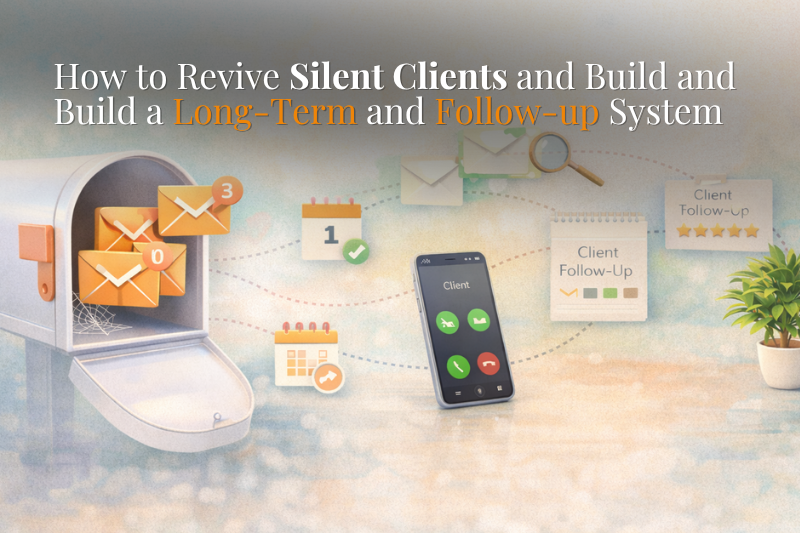
Reviving Silent Clients After a Proposal
Reviving silent clients isn’t about chasing replies, but it’s about guiding them toward a decision with clarity and confidence. A structured follow-up system for sales helps you stay consistent, professional, and relevant without appearing pushy.
- Focus on re-engaging, not chasing; your role is to guide decisions, not force responses.
- Avoid offering discounts too quickly, as it can reduce perceived value and signal uncertainty.
- Reframe your proposal as a solution by highlighting how it addresses the client’s goals and challenges.
- Provide clarity instead of concessions; most clients need reassurance, not reduced pricing.
- Balance persistence with patience; know when to follow up and when to give space while staying professional.
Using Value Touchpoints to Re-Engage
A strong sales follow-up system works best when it focuses on delivering value rather than sending repeated reminders. When your communication adds something meaningful to the client’s journey, it keeps the conversation alive and positions you as someone worth responding to.
- Replace “just checking in” messages with insights, ideas, or outcomes relevant to the client’s needs.
- Share useful inputs like design ideas, trends, or solutions to challenges they’ve mentioned to make your follow-up system for sales more impactful.
- Educate without pushing for a decision to build client trust and reduce resistance.
- Position yourself as a guide, so clients feel supported rather than sold to.
- Use consistent, value-driven touchpoints to stay memorable, even if the client isn’t ready immediately.
Handling Tough Conversations During Follow-Up
Handling tough conversations is a critical part of any sales follow up system. Avoiding them only extends silence, while addressing them with clarity and confidence helps move the conversation forward and builds trust.
- Ask direct yet respectful questions to understand where the client stands instead of making assumptions.
- Keep your questions simple and clear to encourage honest, low-effort responses.
- Address budget concerns calmly by reinforcing value rather than defending your pricing.
- Create a safe space for honest feedback so clients feel comfortable sharing their thoughts.
- Focus on gaining clarity; even a “not now” helps you prioritise better while keeping future opportunities open.
Creating a Follow-Up System (So Nothing Slips Through)
A strong follow-up system for sales helps you stay consistent, organised, and intentional in your client communication. Instead of relying on memory, it ensures every opportunity is tracked and nurtured, leading to better conversions and smoother workflows.
- Avoid relying on memory; missed follow-ups and inconsistent communication often result in lost opportunities.
- Create simple workflows by defining when and how to follow up after each stage (calls, proposals, presentations).
- Track conversations using notes, reminders, and timelines while keeping your communication personalised and natural.
- Focus on building long-term relationships, not just closing deals; every interaction should add value and build trust.
- Use your sales follow-up system as a foundation for sustainable interior design business growth while managing multiple clients effectively.
Knowing When to Let Go
Knowing when to step back is just as important as knowing when to follow up. A strong follow-up system for sales helps you focus on the right opportunities while maintaining professionalism and respect in every interaction.
- Differentiate between cold leads and delayed decisions to prioritise your time effectively.
- Avoid over-investing in unresponsive prospects; trying too hard to revive silent clients can drain time and energy.
- Step back strategically when needed; detachment reflects confidence, not disinterest.
- Leave the door open with a polite closing message that invites future connection without pressure.
- Maintain professionalism at every stage, as a respectful exit can leave a lasting impression and bring clients back later.
Turning Follow-Up Into Client Retention
A strong sales follow-up system goes beyond closing a project. It plays a key role in building long-term relationships and repeat business. When used effectively, it helps you stay connected with clients in a way that feels natural, not sales-driven, unlocking opportunities that are often overlooked.
- Stay top-of-mind by sharing occasional updates, insights, or check-ins without actively selling.
- Focus on nurturing relationships after the first project to build trust and long-term engagement.
- Create positive experiences that encourage clients to return and refer others.
- Use consistent touchpoints to maintain connection without being intrusive.
- Build a reliable pipeline of repeat clients instead of constantly chasing new leads.
Common Follow-Up Mistakes Designers Should Avoid
Even the most structured sales follow-up system can fall short if common mistakes go unnoticed. Refining your approach starts with recognising what weakens your communication and making intentional adjustments.
- Avoid over-apologising: This can make you seem unsure. Your follow-up should reflect confidence and professionalism.
- Keep the focus on the client: Talking too much about yourself reduces relevance. A strong follow-up system for sales always prioritises their needs and goals.
- Don’t chase validation: Seek clarity instead. Your objective is to understand where the client stands, which is key to revive silent clients effectively.
- Watch for red flags: Consistent delays, vague responses, or hesitation can signal deeper issues. Identifying these early helps you engage with the right clients.
Conclusion
Reviving silent clients is not about persistence alone, but it’s about building a structured and intentional sales follow-up system. When your follow-up system for sales is rooted in value, clarity, and consistency, it transforms how clients respond to you. This approach allows every ArchDesign business to move from unpredictable conversions to a more stable and reliable pipeline.
For every ArchDesignpreneur, mastering follow-up is a long-term investment in relationships, not just transactions. With the right systems in place and guidance from experts like Shanker De, you can create meaningful client experiences that extend beyond a single project.
If you want to refine your sales follow-up system and learn how to consistently revive silent clients, drop a comment below with your biggest challenge. And if you’re ready to build a stronger, more predictable pipeline for your ArchDesign business, book a call today and take the next step towards sustainable growth.

Shanker De is an ArchDesign Business Coach, entrepreneur, and Founder of ArchScale Guild. With 25+ years of experience across 330+ businesses in 15 countries, he helps the founders, principals and studio owners of growing ArchDesign firms, especially in Tier 2 & Tier 3 cities, turning inconsistent leads, silent sales and fluctuating revenue into predictable 2x–5x growth.
Using his proven ArchScale Business Growth Model (BGM), Shanker supports every ArchDesignpreneur in building a scalable ArchDesign business without founder burnout, underpricing, or constant overwhelm.