
In today’s competitive design market, interior designer portfolio websites play a far more critical role than social media or referrals alone. They are no longer just visual galleries but strategic tools that influence trust, perception, and buying decisions.
High-value clients expect clarity, structure, and professionalism before initiating contact. A well-built portfolio website does not chase attention; it quietly qualifies, educates, and converts. This article explains how to design interior designer portfolio websites that attract the right clients and turn interest into enquiries.
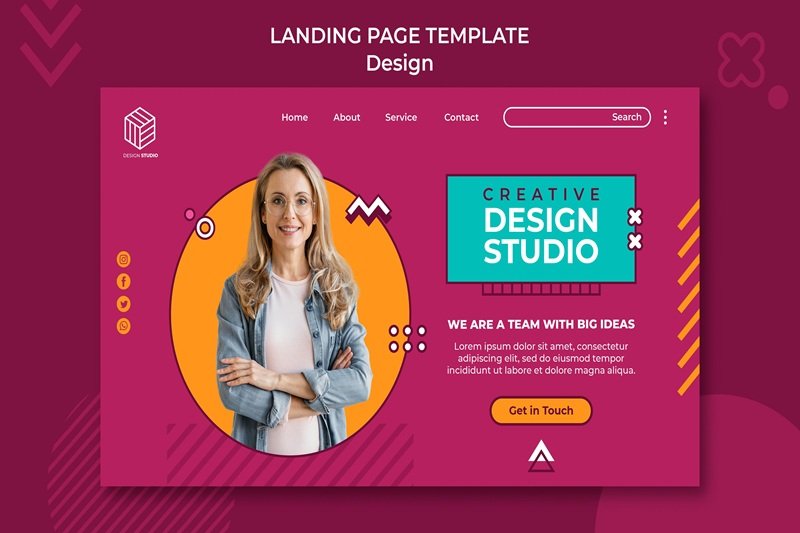
Why High-Value Clients Prefer Interior Designer Portfolio Websites
High-value clients approach hiring decisions cautiously, especially when large budgets and long timelines are involved. They want reassurance, not just inspiration. Interior designer portfolio websites offer a controlled environment where credibility, thinking, and intent are clearly communicated.
A. Portfolio Websites Signal Instant Credibility and Legitimacy
A professional website immediately signals seriousness and stability. Clients associate websites with established operations rather than side hustles or experimental practices. Unlike social platforms, websites feel intentional and owned. This sense of legitimacy builds client trust before any conversation happens. For an ArchDesign business, this credibility often determines whether a client enquires or exits.
B. First-Impression Psychology: How Clients Judge You in Seconds
Clients subconsciously evaluate competence within the first few seconds of landing on a site. Layout, messaging clarity, and visual hierarchy influence perceived professionalism. Disorganised pages or vague positioning trigger doubt quickly. Clear structure communicates confidence and control. First impressions strongly affect enquiry behaviour.
C. Controlled Project Curation vs Endless Social Scrolling
Social media promotes volume and speed, not discernment. Portfolio websites allow selective curation of work that reflects current positioning. Clients can focus without distraction or algorithm-driven interruptions. This control elevates perceived quality. Intentional curation feels premium and thoughtful.
D. Portfolio Websites Attract Clients Who Are Actively Searching
Visitors who land on any interior designer portfolio websites are often actively researching solutions. They are problem-aware and closer to making decisions. This intent leads to higher-quality enquiries. Search-based discovery aligns well with premium services. This is why interior designer portfolio websites consistently attract better-fit clients.
E. Case-Study Depth Builds Confidence in Your Thinking
High-value clients want to understand how decisions are made, not just what the outcome looks like. Case studies reveal problem-solving ability and strategic thinking. This depth reassures clients that success is repeatable. It also differentiates expertise from aesthetics alone. Confidence grows when reasoning is visible.
F. Psychological Triggers That Influence High-End Clients
Authority, consistency, and clarity are powerful psychological drivers. Portfolio websites for interior designer reinforce these through structured messaging and predictable navigation. Reduced ambiguity lowers perceived risk. Clients feel safer committing to professionals who communicate clearly. Psychology often outweighs visuals in premium decisions.
G. Website Acts as a 24/7 Sales and Qualification Tool
A portfolio website works continuously, even outside business hours. It pre-qualifies clients by setting expectations around style, scope, and approach. Misaligned enquiries often filter themselves out. This protects time and energy. For an ArchDesignpreneur, this automation supports sustainable growth.
Essential Pages Every Interior Designer Portfolio Website Must Have
A high-performing website is built on clarity and flow. Each page serves a specific purpose in guiding visitors toward enquiry. Missing or weak pages introduce friction and hesitation.
A. Homepage is the KEY Positioning Page
The homepage defines who you are for and what you solve. It should clearly state your value proposition without forcing visitors to search for meaning. Vague introductions reduce engagement. Strong positioning builds instant relevance. This page determines whether visitors continue exploring.
B. About Us & Team
The About page builds human connection and trust. Clients want to understand who they will work with and how decisions are approached. Focus on perspective, values, and working style rather than long biographies. Authentic clarity builds alignment. Trust often deepens here.
C. Project Pages/Portfolio Page
Projects should be structured as stories, not image dumps. Context, challenges, and outcomes matter more than quantity. Case studies demonstrate consistency and strategic thinking. This format supports premium pricing. Strong project pages justify confidence.
D. Services & Process
Clear services reduce uncertainty and confusion. A defined process reassures clients that creativity is supported by structure. Transparency builds trust early. Clients prefer knowing what collaboration looks like. This page sets realistic expectations.
E. Contact & Enquiry Flow
The contact page should guide action clearly. Simple forms and clear next steps reduce friction. Overcomplicated enquiries discourage serious clients. Direction signals professionalism. Confidence includes telling clients how to proceed.
How to Structure Projects on an Interior Designer Portfolio Website
Project presentation directly affects perception. Without structure, visuals lose meaning. Thoughtful organisation turns work into evidence.
A. Project Context Instead of Image Galleries
Context explains the “why” behind a project. Clients want to understand constraints, goals, and decisions. Image-only galleries force assumptions. Context builds comprehension and credibility. It positions work as intentional.
B. Showing Problem → Solution → Result
This structure mirrors client decision-making. Problems create relevance, solutions demonstrate capability, and results prove value. It makes projects relatable and memorable. Clients see themselves in the narrative. This increases emotional engagement.
C. Using Copy to Guide Client Perception
Copy directs attention to what matters most. Strategic language frames value and intent. Without copy, clients may misinterpret visuals. Words guide interpretation. Clear messaging strengthens perceived expertise.
Design Principles for High-Converting Portfolio Websites
Design should support clarity, not compete with it. High-value clients appreciate restraint and order. Conversion-focused design prioritises ease over excess.
- Simplicity and Hierarchy: Clear hierarchy guides attention naturally. Simplicity reduces cognitive load. Visitors should never feel lost. Structure communicates confidence. Less clutter leads to better understanding.
- Typography and Spacing Over Visual Overload: Readable typography improves trust and professionalism. Spacing enhances comprehension and calmness. Visual overload creates fatigue. Premium experiences feel effortless. Design should feel intentional, not busy.
- Mobile-First Considerations: Many clients browse on mobile devices first. Responsive design is essential. Poor mobile experiences damage credibility instantly. Accessibility matters across devices. Consistency reinforces professionalism.
How to Optimise Your Portfolio Website for Better Enquiries
Optimisation turns visibility into conversations. Strategy determines enquiry quality. Small adjustments can create significant impact.
- Strategic CTAs: Calls to action should feel natural and confident. Placement matters more than repetition. Clear language reduces hesitation. CTAs guide decision-making gently. Subtle confidence converts better.
- Lead Qualification Through Content: Content sets expectations before contact. Clear niche positioning filters out misaligned clients. This improves enquiry quality. Fewer but better leads reduce stress. Alignment protects creative energy.
- Updating Projects as Positioning Evolves: Outdated work weakens perception. Regular updates signal growth and relevance. Align projects with current goals and fees. Copy should evolve before visuals. Treat the website as a living sales asset for your ArchDesign business.
Conclusion
High-value clients choose clarity over noise and confidence over decoration. Interior designer portfolio websites provide the structure, depth, and credibility that serious decision-makers expect. When built intentionally, they act as silent sales tools that attract, qualify, and convert better-fit clients. For an ArchDesignpreneur, a portfolio website is not about visibility; it is about alignment, positioning, and long-term growth.
What part of your portfolio website do you feel needs the most improvement? Share your thoughts in the comments.
If you want personalised guidance on building or optimising a high-converting portfolio website, book a strategy call today with our ArchScale guild team.

Shanker De is an ArchDesign Business Coach, entrepreneur, and Founder of ArchScale Guild. With 25+ years of experience across 330+ businesses in 15 countries, he helps the founders, principals and studio owners of growing ArchDesign firms, especially in Tier 2 & Tier 3 cities, turning inconsistent leads, silent sales and fluctuating revenue into predictable 2x–5x growth.
Using his proven ArchScale Business Growth Model (BGM), Shanker supports every ArchDesignpreneur in building a scalable ArchDesign business without founder burnout, underpricing, or constant overwhelm.
